
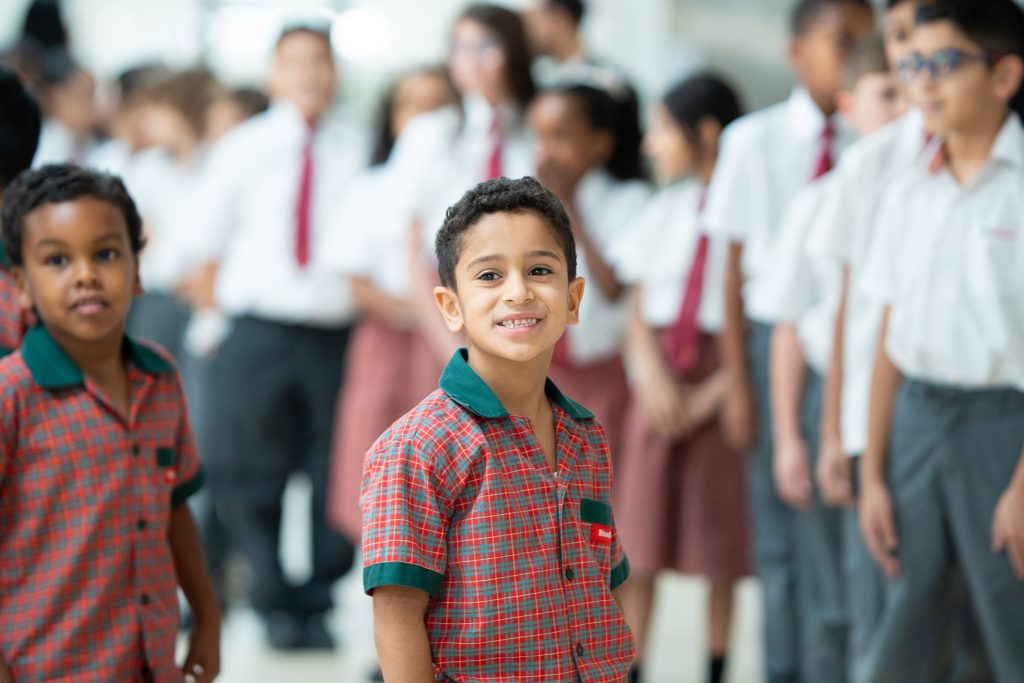
Transitioning into preschool or primary school is a big milestone, not only for children but for families. It marks the first real step toward independence, new social dynamics, and structured learning. How smoothly it goes has a significant impact on a child’s self‑confidence, love of learning, and sense of security. In this guide, we explore why school transitions matter, how to recognise readiness, and what parents can do to make this shift as empowering as possible.
Why School Transitions Matter More Than You Think
Transitioning into preschool or primary school is more than surface change. It introduces children to new environments, routines and peer groups, all of which bring emotional, social, cognitive, and identity shifts.
If the transition is handled poorly, a child might develop anxiety, resistance to school, or feelings of inadequacy that can stay with them throughout their educational journey.
But when the transition is thoughtful and supportive, children learn early how to adapt, how to manage uncertainty and build healthy relationships in new environments.
A smooth transition doesn’t just help with the first few weeks. It shapes how your child feels about school for years. It builds confidence, resilience, and a positive attitude towards learning.
Signs Your Child Is Ready for Preschool or Primary School
Every child develops at their own pace, but there are general signs you can watch for:
Independence and the Ability to Follow Simple Instructions
Can your child follow simple instructions, communicate their thoughts and manage basic self‑care tasks such as washing hands or putting on a coat?
Children who can handle short activities without constant help, while staying engaged, and adapt to predictable routines tend to adjust more smoothly to preschool settings. Managing separation is another key sign: children who’ve spent time away from parents (with relatives, babysitters, or in playgroups) often settle into school more easily.
Growing Social Interest
Do they show curiosity about children their age, enjoy playing with others, or initiate interaction?
The ability to interact with children their age is important. Evaluating whether your child can take turns, cooperate during play and recognise others’ feelings provides insight into their social maturity.
Curiosity and Communication
Does your child ask questions, talk about what they see, or share their ideas?
A natural sense of curiosity paired with the ability to express needs or thoughts shows readiness for the classroom environment. Children who can communicate, even in simple sentences, tend to engage more confidently with educators and peers, making it easier for them to participate in group activities and early learning tasks.
Willingness to Explore
Is your child open to trying new activities or playing in unfamiliar spaces?
Children who can step away from a parent to explore a toy area, playground, or new environment usually adapt more smoothly to school. This willingness to explore reflects both independence and resilience, qualities that help children embrace classroom routines and new experiences.
Early Emotional Regulation
Can your child calm down after a setback or manage small disappointments?
While young children aren’t expected to control their emotions perfectly, those who can recover from frustration and re-engage in play are showing signs of emotional readiness. Being able to manage feelings, even at a basic level, helps children build stronger peer relationships and cope with the natural challenges of a school setting.
How to Prepare Your Child Emotionally for the Big Step
Emotional readiness is just as important as practical skills. Here are strategies to build emotional resilience:
Talk And Normalise
Use age‑appropriate language to talk about what school will be like. Share excitement and acknowledge fears, e.g. telling them it’s okay to feel nervous or discussing how you felt during your first day. It’s also good to read books about the first day of school together.
Role Play
Children have a remarkable imagination, and you can use it to help them prepare for this new phase.
You can practice school routines at home through pretend play. For example, act out a morning drop-off, saying goodbye, walking into class, or joining a group activity. Giving your child a chance to rehearse these situations in a safe setting helps them know what to expect and feel more confident when the real moment comes.
Meet Classmates / Educators Early If Possible
If the school offers opportunities to meet the educators or for playdates with their peers, make the most of them. Meeting their educators and classmates ahead of time turns unfamiliar faces into trusted ones, easing first-day stress and giving your child a sense of belonging before school even begins.
Practice Separation Gradually
Before school begins, give your child short, safe experiences of being apart, such as staying with a trusted caregiver or joining a playgroup, and slowly extend the time. Each successful experience teaches them that you will always return and helps them feel secure in managing time away from you.
Build Emotional Vocabulary
Help your child put words to their feelings, whether sad, happy, excited, or nervous. Talk about what might help in those moments. The more children can name and share their emotions, the easier it becomes for them to manage big feelings, ask for support, and feel understood in a school setting.
Reinforce Positive Self‑Talk
Introduce your child to simple, encouraging phrases such as “I can try new things,” “I will make friends,” or “My teacher cares about me.” Repeating these affirmations helps children replace doubt with confidence and gives them a sense of reassurance when facing new experiences.
Practical Tips for Parents Before the First Day
As the first day approaches, here are some steps you can take to make the transition easier and more reassuring for your child.
Visit The School Ahead of Time
Take a gentle tour with your child. Walk through the hallways, peek into the classroom, and point out places like the playground or restroom. Familiar sights make the first day feel less overwhelming.
Buy the Essentials
Prepare school items together, such as a bag, lunchbox, or water bottle. Choosing them can be exciting for your child, and familiar belongings provide comfort in a new setting.
Set Routines Early
A few weeks before school starts, begin adjusting bedtime, wake-up, and mealtime schedules to match the school day. Predictable routines give children a sense of security and confidence.
Talk with the Teacher
Share your child’s strengths, comfort items, and any worries with their teacher. This partnership helps ensure your child feels supported both at home and in the classroom.
Plan Logistics
Review drop-off rules, transportation, and pick-up details ahead of time. Having these sorted removes first-day surprises and helps you stay calm, which reassures your child.
Manage Expectations
Remember, it’s normal for children to feel nervous or even cry at first. What matters most is your response. Staying calm, patient, and positive helps your child adjust with greater ease.
The First Week: What to Expect
Once school begins, both you and your child may experience a wide range of emotions. Knowing what’s normal can help you approach the week with patience and reassurance.
Emotional Ups and Downs
It’s common for children to swing between excitement and reluctance. Some mornings they may rush in happily, while others bring tears. This fluctuation is a natural part of adjusting.
Tiredness And Overstimulation
The busy schedule, new routines, and constant stimulation can be exhausting. Give your child plenty of downtime after school and, if needed, extra rest to recharge.
Temporary Behaviour Changes
Clinging, acting out, or even small regressions like tantrums are not signs of misbehaviour but signals that your child is processing a big change. With time and reassurance, these behaviours usually ease.
Social Trial and Error
Expect conflicts, awkward interactions, or hesitation in group play. These are opportunities for learning.
Communication with the Teacher
Regular updates during the first week are especially helpful. Ask how your child is settling in emotionally, socially, and in daily activities. This partnership ensures consistent support.
Celebrate Every Small Success
Whether your child walks in more confidently, finishes a full session, or eats lunch at school, acknowledge and praise these milestones. Small wins build their confidence and help them feel proud of their progress.
How EtonHouse Riyadh Supports a Smooth Transition
At EtonHouse Riyadh, we know that starting preschool or primary school is one of the most significant transitions in a child’s early life. That’s why our two purpose-built campuses, EtonHouse International Pre-School Granada and EtonHouse International School Granada, offer experiences that nurture both learning and meaningful connections.
What sets us apart is how every element of the school experience, from our inquiry-based approach to our culturally rooted spaces, work together to make this transition feel natural, supported, and filled with possibility for both children and their families.
Learning That Begins with the Child
We see every child as curious, capable, and full of potential. At EtonHouse, children aren’t passive participants; they’re co-creators of their learning journey. Inspired by the Reggio Emilia Approach, our inquiry-based curriculum encourages children to ask questions, follow their interests, and make sense of the world in their own thoughtful way. From day one, your child is welcomed into a space where their voice matters and their ideas are celebrated.
Thoughtfully Designed Environments
We believe the environment plays a vital role in helping children feel calm, confident, and inspired. Our campuses and classrooms are intentionally designed to spark curiosity while ensuring children feel secure and supported. From the sensory materials in our classrooms to the atelier, our outdoor play areas and open-plan learning zones, every corner invites excitement, imagination and exploration.
Strong Bonds with Educators
We create environments where every child is known by name, by heart, and by learning style. These close relationships provide children with the emotional security they need in a new environment. Whether it’s offering a comforting word, encouraging a brave step forward, or celebrating a small win, our educators are there every day with thoughtful attention and genuine care.
A Warm Start, Every Morning
To set a positive tone each day, our staff warmly greet children by name as they arrive in the morning. These small moments of recognition help children feel safe, seen, and genuinely excited to start their day.
Ready to take the next step in your child’s learning journey? Book a tour at EtonHouse Riyadh and see how we make the transition into preschool or primary school a positive, empowering experience for children and parents.