
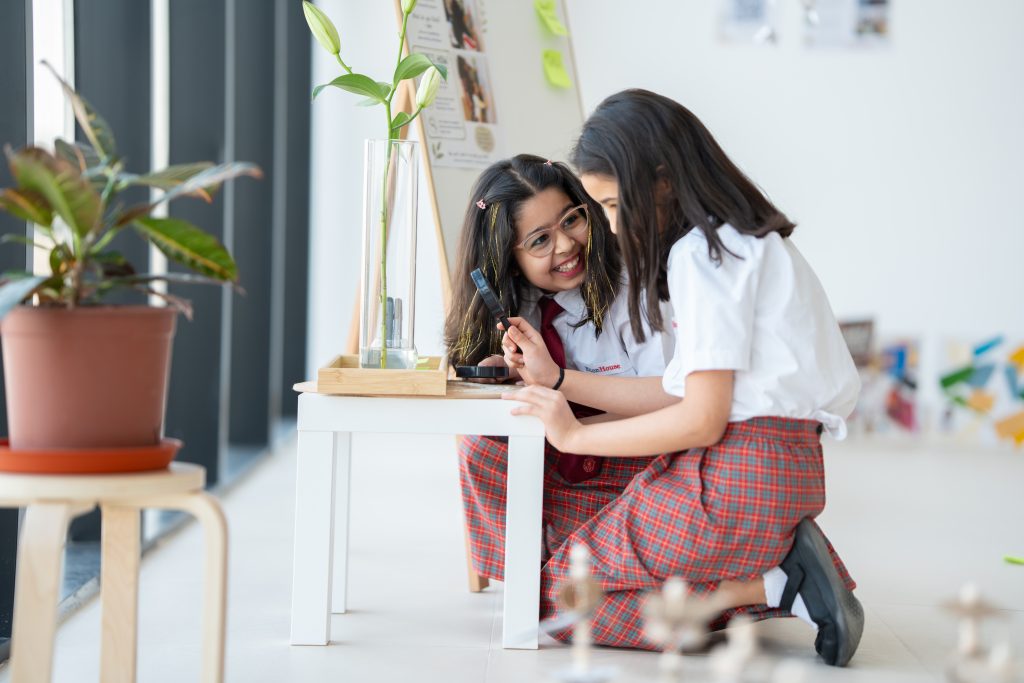
For young children, learning goes far beyond ABCs and 123s. In the early years, children are also discovering how to understand their feelings, relate to others, and find calm in a busy world. Emotional intelligence, the ability to recognise and manage emotions, and mindfulness, the practice of being calmly present, are powerful tools that parents and educators can nurture from the start.
In this article, we explore why emotional intelligence is crucial in early childhood, how to introduce mindfulness to little ones, the signs that your child is developing these vital skills, and the ways we, at EtonHouse Riyadh, support emotionally intelligent learners.
Why Emotional Intelligence Is Crucial in Early Childhood
Emotional intelligence (EQ) in children refers to their ability to understand their own emotions and those of others, and to use this understanding to guide behaviour. Cultivating EQ early in life sets children up for success in many areas.
- Self-regulation: Children who understand their emotions are better able to manage frustration, disappointment, or excitement in healthy ways.
- Empathy and connection: Learning to read others’ emotions helps children form friendships, share, and resolve conflicts.
- Emotional resilience: EQ helps children navigate change, setbacks, and challenges with greater ease and less stress.
The Link Between Emotional Intelligence and Academic Achievement
While emotional intelligence is often discussed in relation to personal and social development, its impact on academic performance is equally significant. Research shows that children with higher emotional intelligence tend to perform better in school, even in the early years. Here’s why:
Improved Focus and Attention
Children who can regulate their emotions are less likely to be distracted by frustration, anxiety, or boredom. Emotional regulation helps them stay on task, listen attentively, and participate confidently in classroom activities.
Better Problem-Solving Skills
EQ supports critical thinking. When children are calm and self-aware, they are more capable of approaching challenges with a clear mind, using logic instead of reacting impulsively.
Enhanced Classroom Relationships
Emotionally intelligent students often work more cooperatively in groups and form stronger bonds with their educators. These positive relationships create a supportive learning environment that enhances motivation and engagement.
Greater Resilience to Setbacks
Mistakes and academic struggles are part of learning. Children with strong EQ are more likely to bounce back from failure and try again, viewing setbacks as opportunities for growth rather than reasons to give up.
Motivation and Self-Confidence
Self-awareness and a sense of emotional safety can increase a child’s belief in their own abilities. Confident learners are more likely to take initiative, ask questions, and stay curious.
Parenting Tips to Introduce Mindfulness in Early Childhood
Mindfulness is the practice of paying attention to the present moment in a calm and non-judgmental way. Introducing mindfulness early can help children calm down when upset and improve their focus and self-control.
Here are some parenting tips to help you practice mindfulness with your child:
Breathing Exercises
Mindful breathing helps young children relax and can even prevent tantrums by reducing anxiety. You can teach kids simple deep-breathing techniques, e.g. telling the child to take a deep breath in, then slowly exhale as if they are blowing out a candle, which gives them an imaginary action to help them focus on slow, deep breathing.
Another way is to ask the child to lie down on their back and place a favourite stuffed animal on their belly. As they breathe in and out slowly, they can watch the toy rise and fall. This helps them become aware of their breathing in a calm and engaging way.
Sensory Mindfulness
Encourage children to focus on one of their senses for a short time. You might sit quietly together and listen to the sounds in the room or have them close their eyes and slowly taste a piece of fruit. These simple activities train children to slow down and notice the present moment.
Keeping It Short and Consistent
With young kids, a few minutes of mindfulness at a time is enough. Even a quick 5-minute breathing or meditation routine each morning can set a calm tone for the day.
Leading by Example
Children learn mindfulness best by watching adults do it. If parents and educators practice brief mindfulness moments themselves and share how it makes them feel better, kids will be more interested in trying it too.
Signs Your Child Is Developing Emotional Intelligence
As a parent or educator, it’s rewarding to see children building their emotional skills. How can you tell if a child is making progress in emotional intelligence? Here are some encouraging signs to look for:
They Express Their Emotions Openly
The child feels safe to show feelings like sadness or anger, e.g. crying or saying, “I’m upset”, around trusted adults instead of holding everything in. Feeling free to express emotions is an early sign of emotional security and growing emotional intelligence.
They Can Name Their Feelings
You may hear the child label their emotions with words, e.g. “I’m angry,” “I feel scared,” or “That hurt my feelings.” Being able to identify and name emotions is a big step in emotional development for young children.
They Show Empathy for Others
Look for moments when the child notices someone else’s feelings and responds with care. For instance, an empathetic toddler might offer a hug to a friend who is crying or bring a bandage to someone who is hurt. These compassionate actions show they’re beginning to understand and care about others’ emotions.
They Are Curious and Eager to Learn
Children who ask lots of questions and explore their environment is developing key social-emotional skills. Curiosity indicates they feel secure and confident to engage with the world, which is a trait linked with evolving emotional intelligence in toddlers.
EtonHouse Riyadh’s Approach to Raising Emotionally Intelligent Learners
At EtonHouse Riyadh, we recognise that developing emotional intelligence in the early years is just as important as building cognitive skills. We take a holistic approach to education, meaning that academic learning goes hand-in-hand with social and emotional growth.
We ensure our learning environment and curriculum actively support children’s emotional development in the following ways:
- Emphasis on well-being: We place a strong emphasis on each child’s happiness and emotional well-being, along with nurturing essential life skills.
- Nurturing environment: A loving, safe environment is the cornerstone of emotional learning. Our educators greet each child warmly and build trusting relationships, ensuring children feel they belong.
- Social-emotional learning: Our Reggio Emilia-inspired, inquiry-based curriculum naturally cultivates emotional intelligence. Children learn through collaborative play and projects, which teach them to communicate, negotiate, and understand others’ perspectives.
- Parents as partners in the learning process: We consider parents our partners in raising emotionally intelligent kids. Families are actively involved through regular communication, community events and parent workshops, ensuring children get consistent support at home and at school.
Discover how we nurture emotional growth every day. Book a tour to meet our educators and explore our inspiring learning spaces.