
الدليل الشامل لمنهج ريجيو إميليا للتعليم في مرحلة الطفولة المبكرة

عند الحديث عن التعليم في مرحلة الطفولة المبكرة، يبرز منهج ريجيو إميليا كأحد أهم الفلسفات التربوية التي حظيت باهتمام وتقدير واسع على مستوى العالم. يقوم هذا المنهج على رؤية تؤمن بأن الطفل بطبيعته فضولي، وكفؤ، ومفعم بالإمكانات، وهو ما ينعكس في أسلوب تعليمي يمنح الأطفال دوراً فاعلاً في توجيه مسار نموهم وتعلّمهم. فبدلاً من التقيد بخطط دراسية جامدة أو الاعتماد على اختبارات معيارية، يضع نهج ريجيو إميليا التعليمي الاستكشاف، والتعاون، والإبداع في صميم العملية التعليمية، باعتبارها الأساس الذي تنبثق منه تجربة تعلم حقيقية وذات معنى.
الدليل الشامل للانتقال بثقة إلى الروضة والمدرسة الابتدائية

الانتقال إلى الروضة أو المدرسة الابتدائية يُعدّ محطة مفصلية، ليس للأطفال فحسب، بل للعائلات أيضاً؛ فهي أول خطوة حقيقية نحو الاستقلالية، والانخراط في بيئات اجتماعية جديدة، والتعلم ضمن إطار منهجي. ويترك مدى سلاسة هذا الانتقال أثراً بالغاً في ثقة الطفل بنفسه، ومحبّته للتعلّم، وشعوره بالأمان.
تنشئة متعلمين عالميين من خلال تطوير المهارات اللغوية والقدرات المعرفية في إيتون هاوس الرياض
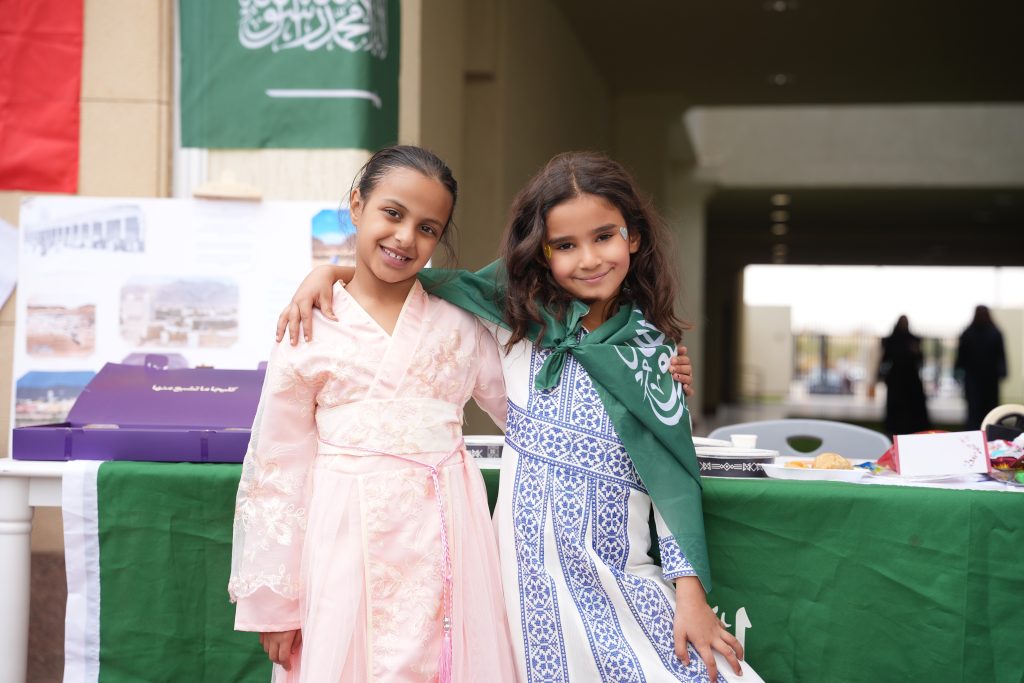
في إيتون هاوس الرياض، ننطلق من قناعة راسخة بأن بناء شخصية المتعلم العالمي يبدأ منذ السنوات الأولى. لذلك، يحرص مجتمعنا التعليمي الدولي على تطوير المهارات اللغوية وتعزيز القدرات المعرفية لدى الأطفال ضمن بيئة دافئة تُشجّع على الاستكشاف وطرح الأسئلة.
اليقظة الذهنية والذكاء العاطفي في سنوات الطفولة المبكرة: أدوات للوالدين والمربين

لا يقتصر التعلم في مرحلة الطفولة المبكرة على الحروف والأرقام، ففي هذه المرحلة، يبدأ الطفل أيضاً في فهم مشاعره، وبناء علاقاته مع الآخرين، ويتعلم كيف يحافظ على سكينته وسط عالم مليء بالحركة. ويُعدّ الذكاء العاطفي، أي القدرة على التعرف على المشاعر وإدارتها، إلى جانب اليقظة الذهنية، وهي ممارسة الحضور الواعي والهادئ، من الأدوات الأساسية التي يمكن للوالدين والمربين تنميتها منذ البداية.
كيف يحفز التعلّم القائم على الاستقصاء فضول الأطفال والتفكير الناقد في مراحل الطفولة المبكرة؟
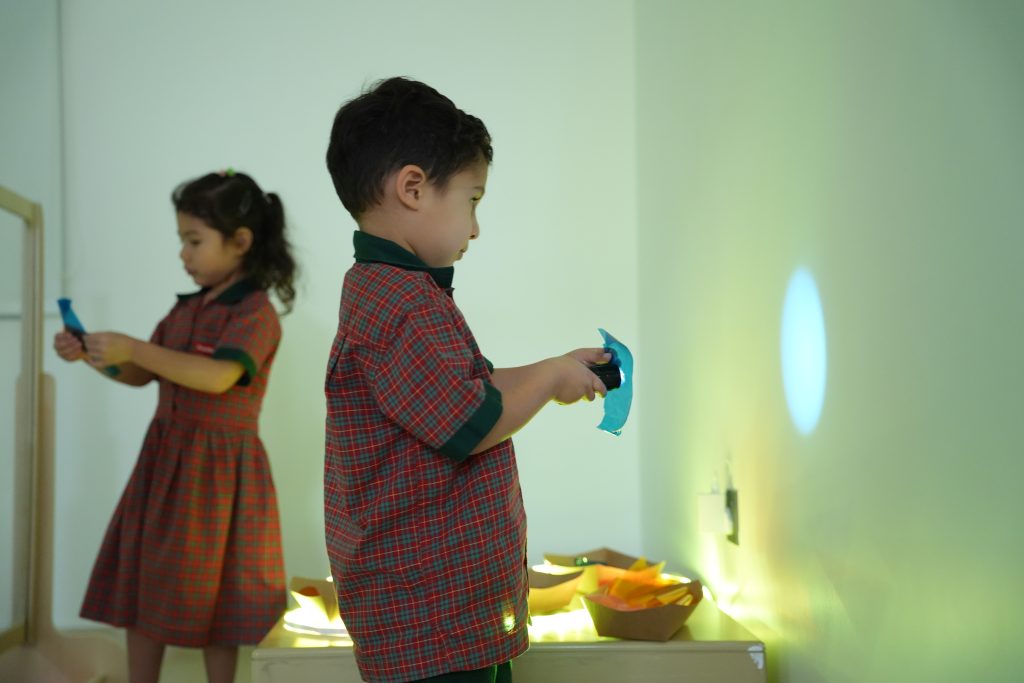
نادراً ما نجد طفلاً لا تُراوده الكثير من الأسئلة، فطرح السؤال “لماذا؟” هي طريقته لفهم العالم من حوله وإشباع فضوله الفطري. وعندما ندعم هذا الفضول من خلال التعلّم القائم على الاستقصاء، فإننا نُعزّز ميل الطفل لطرح الأسئلة والاكتشاف، ونُمهّد الطريق أمام تطوير التفكير النقدي والقدرة على التحليل والاستقلالية في التفكير.
The Complete Guide to the Reggio Emilia Approach for Early Learners
When it comes to early childhood education, few philosophies have garnered as much global interest and admiration as the Reggio Emilia approach. Rooted in the belief that children are naturally curious, capable, and full of potential, this unique educational approach empowers young learners to take the lead in their learning journey. Rather than adhering to rigid lesson plans or standardised testing, the Reggio Emilia philosophy celebrates exploration, collaboration, and creativity as the cornerstones of meaningful learning.
The Ultimate Guide to Transitioning into Preschool & Primary School with Confidence
Transitioning into preschool or primary school is a big milestone, not only for children but for families. It marks the first real step toward independence, new social dynamics, and structured learning. How smoothly it goes has a significant impact on a child’s self‑confidence, love of learning, and sense of security. In this guide, we explore why school transitions matter, how to recognise readiness, and what parents can do to make this shift as empowering as possible.
Raising Global Learners with Language & Cognitive Development at EtonHouse Riyadh
At EtonHouse Riyadh, we believe that raising global learners begins in the earliest years. Our international school community is dedicated to nurturing young children’s language skills and cognitive development in a warm, inquiry-driven environment.
Mindfulness and Emotional Intelligence in Early Years: Tools for Parents and Educators
For young children, learning goes far beyond ABCs and 123s. In the early years, children are also discovering how to understand their feelings, relate to others, and find calm in a busy world. Emotional intelligence, the ability to recognise and manage emotions, and mindfulness, the practice of being calmly present, are powerful tools that parents and educators can nurture from the start.
How Inquiry-Based Learning Sparks Curiosity and Critical Thinking in Early Childhood
It’s rare to find a child without a lot of questions in their mind. Asking ‘why?’ is their way of exploring the world around them and fueling their curiosity. By supporting their curiosity with inquiry-based learning, we nurture children’s drive to ask questions and explore, laying the foundation for critical thinking and the ability to think independently.